
The Complete Beginner-to-Expert Guide (2026)
Pigeon breeding is one of the most rewarding aspects of keeping homing pigeons—whether you’re aiming to improve racing performance, preserve bloodlines, or simply raise healthy birds.
In this guide, you’ll learn everything from pairing pigeons to raising squabs, including proven techniques used by experienced breeders.
What Is Pigeon Breeding?
Pigeon breeding is the controlled pairing of male and female pigeons to produce offspring with desired traits, such as:
- Speed and endurance (racing pigeons)
- Strong homing ability
- Physical characteristics
- Health and resilience
Unlike casual bird keeping, breeding requires planning, observation, and consistency.
When Do Pigeons Start Breeding?
Most pigeons become sexually mature at:
- 5–7 months old (early maturity)
- Best breeding age: 1–5 years
They can breed year-round, but the optimal season is spring and early summer, when:
- Temperatures are moderate
- Food is abundant
- Chicks have the best survival chances
How to Pair Pigeons (Step-by-Step)
Pairing is one of the most important decisions in pigeon breeding.
1. Choose Compatible Birds
Look for:
- Healthy, active pigeons
- Strong body structure
- Clear eyes and smooth feathers
2. Decide Your Breeding Goal
Are you breeding for:
- Racing performance?
- Genetics and bloodlines?
- Pets or exhibition?
Your goal determines your pairing strategy.
3. Introduce the Pair
Place the male and female together in a breeding box or sectioned loft.
Signs of bonding:
- Preening each other
- Sitting close together
- Nest-building behaviour
- "Bulling" is the name of the behaviour where the male aggressively drives the female toward the nest box. Beginners sometimes mistake this for fighting and try to separate them.
Breeding Strategies Explained
Linebreeding
- Breeding related pigeons (e.g. cousins)
- Maintains strong bloodline traits
Inbreeding
- Very close relatives (father/daughter, siblings)
- Used carefully by experts only
Outcrossing
- Unrelated pigeons
- Increases genetic diversity and health
Most beginners should start with mild linebreeding or outcrossing
Nesting & Egg Laying
Once paired, pigeons will begin nesting quickly.
What Happens Next:
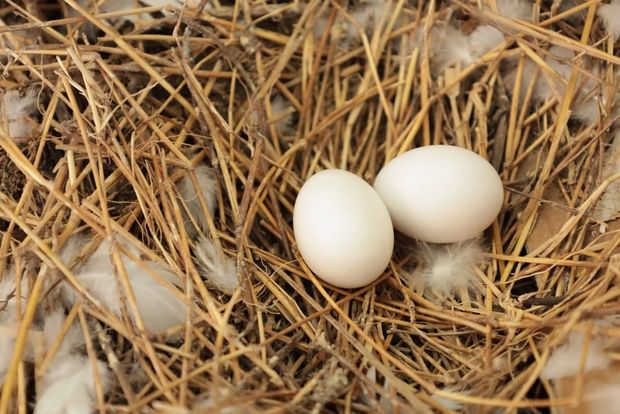
- The female lays 2 eggs
- Eggs are laid about 24–48 hours apart
- Both parents take turns incubating
Incubation Period:
- 17–19 days
Make sure you provide:
- Nest bowls
- Clean nesting material (straw or tobacco stems - the nicotine repels lice and mites)
- A quiet, stress-free environment
Raising Squabs (Baby Pigeons)
Newborn pigeons (called squabs) are completely dependent on their parents.
Feeding
Parents produce “crop milk”, a nutrient-rich substance. Parents transition from crop milk to regurgitated grain around Day 5. This is when your choice of "breeding mix" (high protein) becomes vital.
Growth Timeline:
- Day 1–5: Completely dependent
- Day 7–10: Eyes open
- Week 3–4: Rapid growth
- Week 4–5: Ready to leave nest
Feeding Breeding Pigeons
Breeding pigeons need a high-quality, protein-rich diet.
Essential Foods:
- Grains (corn, wheat, peas)
- Protein sources (peas, beans)
- Grit (for digestion)
- Fresh water (always available)
Supplements:
- Calcium for egg production. Breeding hens deplete their calcium rapidly to form shells; a standard grit often isn't enough.
- Vitamins (especially during breeding season)
For more information on what pigeons eat, visit this page.
Best Loft Setup for Breeding
A good breeding environment is critical.
Key Features:
- Good ventilation (no drafts)
- Dry and clean flooring
- Separate breeding sections
- Nest boxes for each pair
- Darkening/Lighting. Many pros use artificial light in January/February to trick the birds into thinking it's spring and start early breeding.
Tip: Overcrowding leads to stress and poor breeding results.
Common Breeding Problems (and Fixes)
Infertile Eggs
- Cause: Poor pairing or age
- Fix: Change pairing or improve nutrition
Abandoned Nests
- Cause: Stress or disturbance
- Fix: Provide quiet, secure environment
Weak Chicks
- Cause: Poor diet or disease
- Fix: Improve feeding and hygiene
How Many Times Do Pigeons Breed Per Year?
It is biologically possible for a healthy pair to produce 6- 10 broods per year, but breeding that much "burns out" the hens and results in weaker youngsters by the 3rd or 4th round. The best lofts only take 2-3 rounds of youngsters from their best pairs to ensure vitality, and to give the parents the chance to moult properly.
Tips from Experienced Breeders
- Keep detailed breeding records
- Don’t breed from weak or sick pigeons
- Be patient—results improve over generations
- Focus on quality over quantity
FAQ: Pigeon Breeding
How long does it take pigeons to breed?
From pairing to chicks leaving the nest: about 6–8 weeks
Do pigeons mate for life?
Yes—most pigeons form strong long-term pair bonds
Can you breed pigeons in winter?
Yes, but it’s harder—conditions must be controlled carefully
Final Thoughts
Pigeon breeding combines science, patience, and instinct. Whether you’re raising racing champions or simply enjoying the process, success comes from:
- Careful pairing
- Proper nutrition
- A clean, calm environment
Start simple, learn from each breeding cycle, and you’ll steadily improve your results.


