
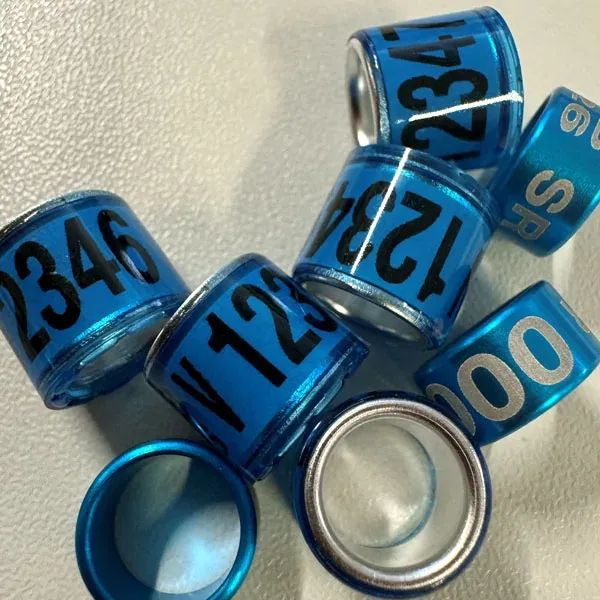
If you’ve found a pigeon wearing a ring on its leg, there’s a good chance it’s a racing pigeon. These birds are owned, trained, and often highly valued. The ring is the key to identifying where the pigeon came from.
In this guide, you’ll learn how to read a pigeon ring, what the numbers mean, and how to trace the owner.
What Is a Racing Pigeon Ring?
A racing pigeon ring (also called a leg band) is a small, lightweight band placed around a pigeon’s leg when it is young.
The ring serves as:
- A unique identification number
- A way to track ownership
- Proof of registration with a pigeon organisation
Most racing pigeons are ringed at just a few days old, and the ring cannot be removed without cutting it.
What Does a Pigeon Ring Look Like?


Rings are typically:
- Plastic or aluminium
- Placed on one leg
- Marked with letters and numbers
The exact format varies depending on the country and organisation.
How to Read a Racing Pigeon Ring
Most pigeon rings follow a standard structure:
Country Code + Organisation + Year + Unique Number
Example:
GB 23 ABC 1234
This usually means:
- GB = United Kingdom
- 23 = Year (2023)
- ABC = Club or breeder code
- 1234 = Unique bird ID
Common Country Codes
United Kingdom
- GB – Great Britain (e.g. Royal Pigeon Racing Association)
- SU – Scottish Union
- NEHU – North of England Homing Union
United States
- AU – American Racing Pigeon Union
- IF – International Federation
Other Examples
- BE – Belgium (famous for racing pigeons)
- NL – Netherlands
The country code is usually the first clue to where the pigeon came from.
What the Numbers and Letters Mean
Although formats vary slightly, most rings include:
- Year of birth – helps estimate age
- Club or breeder code – identifies the registered owner
- Unique ID number – specific to that pigeon
Some rings may also include:
- Telephone numbers
- QR codes (modern rings)
- RFID tags (if the ring looks bulky, try tapping it with your smartphone. I have seen RFID tags that bring up the owners details, which is brilliant. Other ones need a special machine to read them and they only display the ID number that would otherwise be printed on the ring. I have no idea why anyone bothers with these.
How to Identify the Owner (UK & US)
Once you have the full ring code, you can trace the owner.
In the UK
Contact organisations such as:
- Royal Pigeon Racing Association
- Scottish Homing Union
- North of England Homing Union
Most have online services or contact forms to report found pigeons.
In the United States
Use:
- American Racing Pigeon Union
- International Federation of American Homing Pigeon Fanciers
These organisations can match the ring number to a registered owner.
What If There Is No Country Code?
Some pigeons may have:
- Private breeder rings
- Older or worn bands
- Custom identifiers
In these cases:
- Look for any readable numbers or letters
- Take a clear photo
- Contact a local pigeon club or online community
Tips for Reading a Ring Correctly
- Read the ring carefully and in full
- Write it down exactly as shown
- Take a photo for accuracy
- Check both legs (occasionally extra rings are used)
Even a small mistake in the code can make identification difficult.
What to Do After Identifying the Ring
Once you’ve identified the ring:
- Contact the relevant organisation
- Provide the full ring number
- Follow their guidance
In many cases, the owner will want the pigeon returned.
Why Racing Pigeons Have Rings
Rings are essential because they:
- Prove ownership
- Allow birds to compete in races
- Track breeding and performance
- Help recover lost pigeons
Without a ring, a pigeon cannot participate in official racing events.
Common Questions
Can you remove a pigeon ring?
Rings are designed to be permanent. Removing one can harm the bird and should only be done by a professional if necessary.
Do all pigeons have rings?
No. Only domesticated or racing pigeons are usually ringed. Wild pigeons typically do not have rings.
What if the pigeon looks tired or injured?
Please water and a safe place to rest, then contact a pigeon organisation or rescue service.
Summary
- Racing pigeon rings contain vital identification information
- The code usually includes country, year, and a unique ID
- UK and US pigeons can be traced through official organisations
- Always record the ring accurately before reporting


