
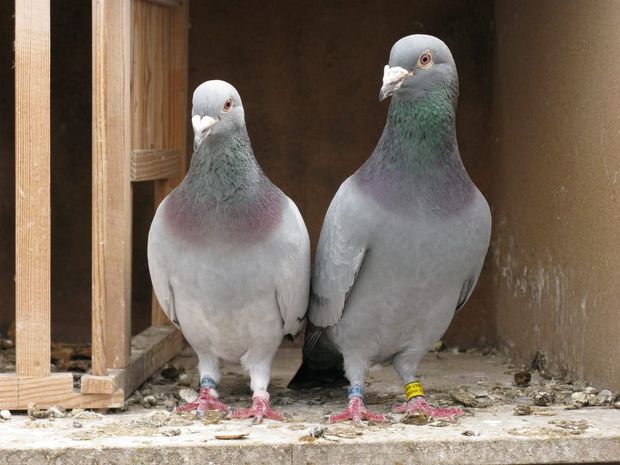
The Dry Loft Secret: How to Keep Your Pigeons Damp-Free
In the UK and other damp climates, moisture is the "silent enemy" of the pigeon fancier. A damp loft is a breeding ground for Coccidiosis, respiratory infections, and the dreaded "one-eye cold." More importantly, pigeons cannot achieve "Super Health" or peak racing form if they are sleeping in a humid, heavy environment.
A dry loft feels warm in the winter and fresh in the summer. If you walk into your loft and it smells "pigeony" or the air feels heavy, you have a moisture problem. Here is how to fix it.
1. Raise the Floor (The 20cm Rule)
The most effective way to keep a loft dry is to prevent ground moisture from seeping up.
- The Strategy: Your loft should be raised at least 20cm (8 inches) off the ground on brick piers or breeze blocks.
- The Benefit: This allows air to circulate under the floor, keeping the wood dry and preventing rot. It also has the added bonus of making the loft much less attractive to rats and mice.
2. Master the "Chimney Effect" Ventilation
Many fanciers make the mistake of closing every window to keep the heat in. This actually traps the moisture from the birds' breath and droppings, causing condensation.
- The Fix: Use "directional ventilation." Install low-level vents at the front of the loft to let cool, fresh air in. Place exhaust vents or a "pitched roof" opening at the highest point of the loft.
- The Science: Warm, moist air naturally rises. By having high-level exits, the damp air "escapes" before it can condense on the walls and chill your birds.
3. The "Sniff Test" and Hygiene
Wet droppings are the primary source of internal loft humidity.
- Scrape Daily: In the UK, scraping the loft floor every morning is the best way to remove moisture. If droppings stay wet for more than 48 hours, parasites like coccidia become "infective."
- Floor Dressings: If you struggle with a damp spot, use a tiny bit of dry lime or a specialized loft floor dressing (like a biocidal sand). This absorbs moisture and kills bacteria.
4. Manage the "Bath Day" Moisture
Pigeons love to bathe, but a bath inside the loft is a recipe for disaster.
- The Rule: Never leave a bath in the loft for more than an hour. Once the birds are finished, remove the water immediately.
- Better Yet: Give your birds their bath in an external aviary or on a concrete slab outside. This keeps the wooden floor of the loft bone-dry.
Comparison: Dry Loft vs. Damp Loft
| Feature | The Dry Loft (Winning Form) | The Damp Loft (Health Risk) |
| Droppings | Small, "nutty" brown, and hard. | Large, green, and watery. |
| Birds | Tight feathers, bright white ceres. | "Fluffed up" feathers, dull eyes. |
| Air | Smells like fresh air/wood. | Smells heavy, musty, or of ammonia. |
| Humidity | Below 65% | Above 70% |
5. Using Heat Wisely
In very wet, misty autumns, even the best ventilation struggles.
- The Tech: Many modern racers use low-wattage tubular heaters or hygrostats. These don't "heat" the loft like a radiator; they just nudge the temperature up enough to drop the relative humidity.
- The Goal: Aim to keep your loft humidity between 55% and 65%. Anything higher and your birds will struggle to rest properly at night.
Summary for Success
A dry loft is a healthy loft. By raising your floor, ensuring air flows up and out, and keeping water away from your floorboards, you give your pigeons the best possible environment to win. Remember: "Cold doesn't kill form, but damp does."
How can I tell if my pigeon loft is too damp?
Check the birds' droppings in the morning. If they are watery and green but turn brown by the afternoon, your loft is likely getting too damp and humid overnight.
Does a heater help a pigeon loft?
Yes, but not for warmth. A heater helps by lowering the relative humidity. It should be used during "drizzly" or misty weather to keep the air dry.
What is the best floor for a pigeon loft?
A raised wooden floor made of thick plywood or tongue-and-groove is best. Wood is breathable and stays warmer than concrete, which can "sweat" in the cold.


