
One Loft Racing: The Modern Way to Race Pigeons
If you love the idea of pigeon racing but don't have the space for a loft—or the time to train birds every day—then One Loft Racing (OLR) is exactly what you’ve been looking for. It is the fastest-growing part of the sport in 2026, and for good reason. It levels the playing field and lets anyone, anywhere, become a racing manager.
Here’s everything a beginner needs to know about how it works and why it’s so popular.
What is a One Loft Race?
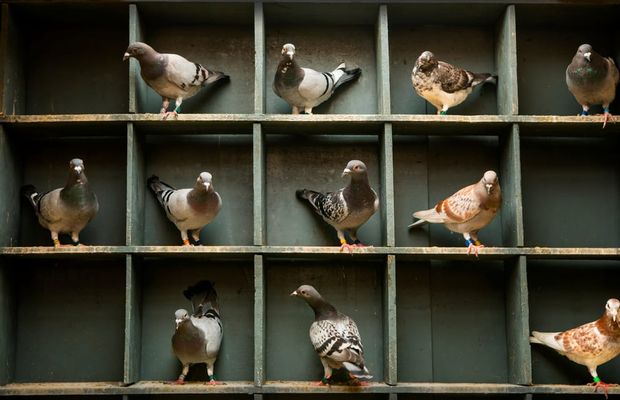
In traditional racing, you keep birds in your own backyard and race them against other people in your local club. In One Loft Racing, hundreds (or even thousands) of birds from different breeders are all sent to a single, professional loft.
The birds live together, eat the same food, and are trained by the same professional loft manager. When race day comes, they are all released from the same point and fly back to that one single loft.
How it Works: Step-by-Step
- Entry: You choose a race (like the RPRA One Loft or the UK Premier OLR) and pay an entry fee.
- Delivery: You send your young pigeons (usually aged 35–45 days) to the race loft during the intake window (typically February to April).
- Training: The loft manager takes over. They vaccinate the birds, settle them into the loft, and begin daily exercise and "tosses" (training flights) to build their stamina.
- The Race Series: Most One Lofts run a series of "Hot Spot" races that get progressively longer, culminating in a big Final Race which can be 300 miles or more.
- The Results: Because every bird is fitted with an electronic RFID ring, you can watch the results live on your phone. You see exactly when your bird "clocks in."
Why People Love One Loft Racing
- No Loft Required: You don’t need a backyard, a shed, or even any equipment. You just need to be able to breed or buy a high-quality young bird to send away.
- It’s Fair: In club racing, someone might have a better "line of flight" or more time to train their birds. In OLR, every bird has the same home, the same trainer, and the same food. It’s a pure test of the bird's natural ability and genetics.
- Big Prizes: Some of the world’s biggest races, like the Algarve Golden Race or the South Africa Million Dollar Race, have prize pots worth hundreds of thousands of pounds. Even smaller UK races offer life-changing money for the winners.
- The Community: You can follow your bird’s progress online, chat with other "entrants" in forums, and often go to the loft on the day of the Final Race for a big social event (and a BBQ!).
What Does it Cost?
In 2026, entry fees in the UK typically range from £100 to £200 per bird. Some races allow you to send "reserve" birds for free, only paying the full entry fee if they survive the initial training.
You also need to consider the cost of the bird itself. If you don't breed your own, you can buy a "One Loft Prospect" from a reputable breeder specifically for the event.
Can Beginners Win?
Yes. While the "big names" in the sport often send teams of birds, a beginner with one single, high-quality bird has just as much of a chance. Success in One Loft Racing is about bloodlines. If you start with birds from winning strains (like the Belgian sprint or long-distance lines), you are already halfway to the winner’s podium.
Ready to Enter?
If you're thinking of joining a race this year, look for a "syndicate." This is where a group of friends split the cost of the entry and the birds, making it a very affordable way to get into the high-stakes world of international pigeon racing.
The 2026 season is already underway. Is this the year you put your name on the leaderboard?