If you want to have success with racing pigeons, you have to look at your birds as elite endurance athletes. Just like marathon runners change what they eat before a big race, you must change what you put in your birds' feeder as the racing season moves from short sprints to long-distance events.
This shift in strategy is called The Protein-to-Fat Pivot.
Understanding how and when to switch your birds from a high-protein diet to a high-fat diet is the secret to keeping them at the top of the clock all season long.
The Two Types of Fuel: Protein vs. Fat
To understand the pivot, you need to know how a pigeon uses its body for energy during flight.
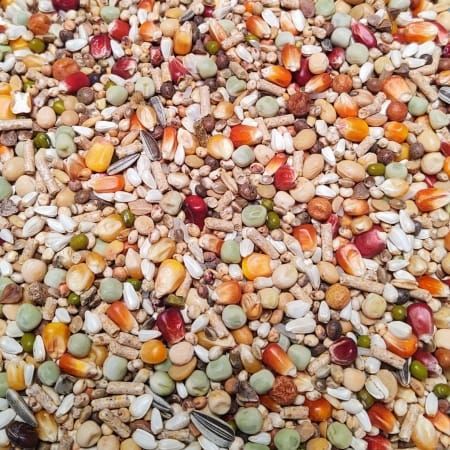
- Protein (The Muscle Builder): Protein is found in heavy grains like maple peas, tares, and beans. It is essential for building strong pectoral muscles and repairing tissue after a hard fly. However, protein is a poor, slow-burning fuel for flight.
- Fat (The Rocket Fuel): Fat is found in oily seeds like safflower, sunflower hearts, hemp, and peanuts. Fat provides more than twice the amount of concentrated energy as carbohydrates or protein. It is the dense fuel a bird burns when it is in the air for hours at a time.
Phase 1: Short Distance Races (Vitesse / Sprints)
At the start of the season, races are short—usually under 150 miles. The birds are only in the air for a few hours.
- The Goal: Build muscle and keep the birds light and sharp.
- The Mix: Your feed should be higher in protein and carbohydrates (light grains like wheat, barley, and peas).
- Why: In a short sprint, pigeons burn glycogen stored in their muscles and liver. They do not need massive fat reserves. If you feed them too much fat during sprint season, they will become heavy and sluggish.
Phase 2: The Pivot (Middle Distance)
As the races creep up toward 250 to 300 miles, the physical demand changes. The birds are now flying for four to six hours straight. This is where you begin the pivot.
- The Shift: Slowly reduce the percentage of heavy peas in the mix and replace them with oily seeds.
- The Method: Start adding safflower and maize (corn) to the daily ration, especially in the final three days before basket night. This allows the birds to start storing clean fat in their tissues without losing muscle tone.
Phase 3: Long Distance Races (Fond)
When your birds face the ultimate test—400, 500, or even 600 miles—they will be on the wing from dawn until dusk. This is where the protein-to-fat pivot saves lives and wins trophies.
- The Goal: Maximum fuel storage.
- The Mix: The diet should be overwhelmingly high in fats and oils. Maize, hemp seed, safflower, and peeled peanuts should make up the bulk of the feed in the final 4 to 5 days before the race.
- The Science: Once a pigeon passes the 4-hour mark in flight, its body completely switches over to burning fat. If a bird does not have enough fat stored on its breast, its body will start burning its own muscle for energy. This causes the bird to "crash" physically, leading to late returns or lost birds.
How to Apply the Pivot in Your Loft
A common mistake is changing the feed overnight. Pigeons have sensitive digestive systems. Use this step-by-step timeline instead:
- Sunday & Monday (The Recovery): After a long race, give the birds a higher protein mix with some easily digestible grains (like barley) to repair their muscles.
- Tuesday & Wednesday (The Transition): Introduce standard racing carbohydrate mixes (maize and wheat).
- Thursday & Friday (The Loading Phase): This is the peak of the pivot. Add your high-fat oils, hemp, and sunflower hearts. The birds should feel round, buoyant, and "corky" by Friday night—not heavy like lead, but full of stored energy.
By mastering the protein-to-fat pivot, you ensure your birds always have the right fuel tank for the job.