
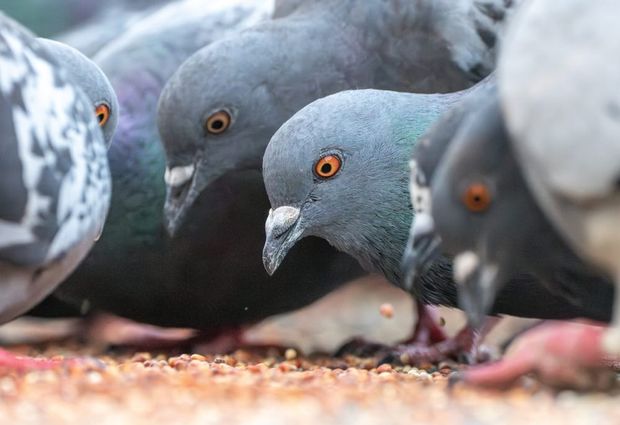
Finding a pigeon on the ground or in your garden can be a worrying thing, especially if the bird seems tired or confused. In many cases, the pigeon you have found is not wild at all, but a racing or domesticated pigeon that has become lost on its way home.
The good news is that with a little care and patience, you can often help the bird recover and be returned safely.
This guide explains exactly what to do if you find a lost pigeon, step by step.
First, Take a Moment to Observe
Before you do anything, stand back and watch the bird quietly.
Ask yourself:
- Is the pigeon alert and standing upright?
- Is it injured or unable to move properly?
- Is it being threatened by pets or traffic?
Many pigeons that look lost are simply resting after a long flight. A healthy bird may leave on its own once it has recovered.
If the Bird Is in Danger, Move It to Safety
If the pigeon is at risk—from cats, dogs, or the road—it is best to move it to a safer place.
You can do this by:
- Gently picking it up with both hands
- Placing it in a cardboard box with air holes
- Keeping it somewhere quiet and sheltered
A calm, dark space helps reduce stress and allows the bird to settle.
Give Water First
A lost pigeon is often dehydrated, even if it does not show it.
Provide fresh water in a small bowl that is:
- At least 1 inch (2.5 cm) deep
- Stable, so it will not tip over
Do not worry if the bird does not drink straight away. It may take time to feel safe enough.
A useful trick is to lightly tap the water with your finger. The sound can help the pigeon recognise it.
Offer the Right Food
Pigeons are grain eaters. The best food you can offer is:
- Wild birdseed
- Dry grains such as rice, peas, or barley
- Unpopped popcorn kernels
- Crushed up cornflakes
Do not cook the grains. They should be given raw.
Avoid giving bread or processed food. Many domesticated pigeons will not recognise these as suitable food.
Always provide water alongside any food.
Check for a Ring
Most lost racing pigeons wear a ring on one leg.
Take a careful look for:
- A small plastic or metal band
- Letters and numbers printed on it
This ring tells you:
- The country the bird came from
- The year it was born
- A unique identification number
Make a note of the full code, or take a clear photograph.
Contact the Right Organisation
Once you have the ring number, you can trace the owner.
If you are in the UK, contact organisations such as the Royal Pigeon Racing Association.
In the United States, you can contact the American Racing Pigeon Union.
They can match the ring number to the owner and advise on what to do next.
In most cases, the owner will be grateful to have their bird returned.
Give the Bird Time to Recover
Many lost pigeons are simply exhausted.
If the bird is safe, fed, and watered:
- Leave it to rest for several hours or overnight
- It may regain strength and fly home on its own
- After 48 hours, please remove the food so the pigeon is motivated to complete the journey home.
Do not force the bird to fly. Let it decide when it is ready.
When to Seek Further Help
You should seek help if the pigeon:
- Cannot stand or walk properly
- Has visible injuries
- Does not eat or drink after a day
- Appears very weak or unresponsive
In these cases, contact:
- A local wildlife rescue
- A pigeon rescue group
- A veterinary professional
A Few Simple Things to Remember
- Most lost pigeons are racing pigeons, not wild birds
- Water is more important than food at first
- A ring is the key to finding the owner
- Many birds recover and leave on their own
A little care goes a long way. These birds are strong, and with rest and water, many will soon be on their way again.
Quick Summary
- Move the pigeon to safety if needed
- Provide fresh water in a suitable container
- Offer birdseed or raw grains
- Check for a leg ring and record the details
- Contact a pigeon organisation to trace the owner
- Allow the bird time to rest and recover


