Keeping a loft of healthy pigeons is the goal of every fancier, whether you are just starting out with a few homing pigeons or managing an elite racing team. Especially in the damp (British!) climates, staying on top of loft hygiene and bird health is essential.
While most pigeons are hardy, they are susceptible to a few common nasties. Understanding these diseases early can save your season and, more importantly, your birds' lives.
1. Canker (Trichomoniasis)
Canker is perhaps the most common issue in the pigeon world. It is caused by a tiny parasite that usually lives in the bird’s throat or crop.
- The Signs: Look for cheesy, yellow growths inside the mouth or throat. You might also notice your birds are reluctant to fly, or you may see "wet" nests where the parents are over-drinking to cope with the irritation.
- The Cause: It is often spread through shared drinking water or when parents feed their young (squabs).
- What to Do: Keep your drinkers scrubbed clean. Most fanciers treat the whole loft before the breeding and racing seasons begin using a specialist canker treatment.
2. Coccidiosis
This is an intestinal problem caused by "oocysts" (tiny eggs) that birds pick up from droppings. It thrives in damp lofts.
- The Signs: Birds often look "huddled up," lose weight rapidly, and have green, watery droppings. Their feathers might look dull and lose that healthy "bloom."
- The Cause: Wet patches on the loft floor or dirty perches.
- What to Do: The best cure is a dry loft. Use a good quality floor dressing or scrape out daily. If an outbreak occurs, a vet-approved "Cocci" treatment in the water will clear it up quickly.
3. Young Bird Sickness (YBS)
Every year, usually in the late summer, many UK lofts are hit by Young Bird Sickness. It is a complicated mix of viruses and bacteria that strikes when young birds are under stress.
- The Signs: The most obvious sign is a "full crop." The bird eats, but the food just sits there and doesn't digest. They may also vomit and have dark, foul-smelling droppings.
- The Cause: Stress is the main trigger, usually caused by the first few times they are put in the race crates or "tossed" away from home.
- What to Do: Rest is vital. Remove all heavy grain and offer only light seeds (like groats or a light mix). Many fanciers find that "natural" lofts using probiotics and elderberry juice help build up the birds' strength before the sickness hits.
4. Respiratory Problems (The "One-Eye Cold")
Pigeons have a very complex breathing system. If the air in your loft is stale or dusty, they will develop respiratory issues.
- The Signs: Listen to your loft at night. If you hear sneezing, "clicking" sounds, or see birds scratching their ears or beaks, you have a problem. One-eye cold (where the eye looks watery and red) is a classic sign of a respiratory infection.
- The Cause: Poor ventilation and overcrowding.
- What to Do: Open up the vents! Fresh air is the best medicine. If the infection is widespread, you may need a course of antibiotics from an avian vet.
5. Paramyxovirus (PMV)
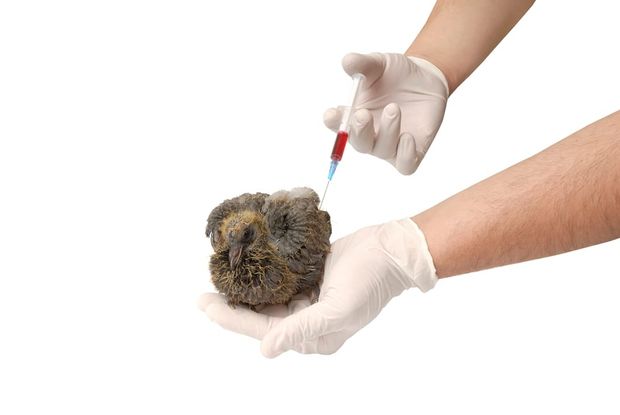
This is the big one. PMV is a very serious viral infection and, by law in the UK, all birds entered into races or shows must be vaccinated against it.
- The Signs: The most distinctive sign is a "twisted neck." The bird may be unable to pick up corn and will walk in circles or look like it is stargazing.
- The Cause: A highly contagious virus.
- What to Do: There is no cure for the virus itself—prevention is the only way. Vaccinate your birds every year. It is a simple jab that protects your entire loft from disaster.
Tips for a Healthy Loft
- Scrape Out Daily: A clean loft is a healthy loft. Dry droppings don't spread disease as easily as wet ones.
- Fresh Water: Change the water at least once a day. A splash of Apple Cider Vinegar in the water (about 5ml per litre) helps keep the gut acidic and wards off Canker.
- Observe Your Birds: Spend ten minutes a day just watching them eat. The first bird to stop eating is usually the first bird to get sick.
- Avoid Overcrowding: read our loft size guide and information on the Natural Loft System to learn more.
A Note on Medicine: It is always best to consult a vet if you are unsure. Using the wrong medicine can do more harm than good and can lead to "superbugs" that are harder to kill later.
Looking After a "Lost" Pigeon?
If you have found a pigeon and it looks unwell, it is likely just exhausted. Give it some water and sugar (or bird electrolytes) and a safe, quiet place to rest before worrying about disease. Most birds just need a "pit stop" to get back on their way!