A Complete Guide to Keeping Pigeons Naturally
The natural loft system is a traditional, low-intervention approach to keeping and breeding pigeons. Instead of tightly controlling breeding, feeding, and training, this method allows pigeons to follow their natural instincts—often resulting in healthier, more resilient birds.
Whether you’re a beginner or an experienced fancier looking for a simpler, more sustainable approach, this guide explains how the natural loft system works, its benefits, and how to set it up properly.
What Is the Natural Loft System?
The natural loft system is a method of pigeon keeping where birds are allowed to:
- Choose their own mates
- Breed at their own pace
- Raise their young naturally
- Live with minimal interference from the keeper
Unlike highly managed systems used in competitive racing, the natural loft focuses on balance, instinct, and long-term health.
How the Natural Loft System Works
In a natural loft, pigeons are not separated into strict breeding or racing groups. Instead:
- Birds live together in a shared loft
- Pairing happens naturally
- Nesting and breeding occur without strict scheduling
- Training is minimal or informal
The keeper’s role shifts from controller to observer and caretaker.
Key Principles of the Natural Loft System
1. Let Pigeons Choose Their Mates
Natural pairing leads to:
- Stronger pair bonds
- Better parenting behaviour
- Reduced stress
Forced pairings are avoided unless there is a specific breeding goal.
2. Minimal Human Intervention
The system relies on:
- Natural selection
- Observation rather than constant handling
- Allowing weaker birds to be naturally filtered out
This often results in a stronger, more resilient flock over time.
3. Year-Round Breeding (with Limits)
Pigeons may breed throughout the year if conditions allow. However, responsible keepers still:
- Monitor flock health
- Prevent overcrowding
- Remove excess eggs or separate birds if necessary
4. Natural Feeding Approach
While pigeons still require proper nutrition, the focus is on:
- Simple, balanced grain mixes
- Consistent access to grit and minerals
- Avoiding excessive supplementation unless needed
5. Open Loft or Semi-Free Flight
Many natural loft systems incorporate:
- Open loft access (birds can come and go freely)
- Regular free flight
- Minimal confinement
This encourages natural exercise and orientation.
Benefits of the Natural Loft System
Healthier Birds
Pigeons raised naturally often develop:
- Stronger immune systems
- Better resistance to disease
- Improved vitality
Reduced Workload
Compared to intensive systems, you’ll spend less time on:
- Controlled pairing
- Strict breeding schedules
- Constant intervention
Stronger Natural Instincts
Birds retain:
- Better parenting skills
- Stronger homing ability
- Natural flock behaviour
Lower Costs
Fewer supplements, medications, and specialised systems are typically needed.
Challenges and Drawbacks
While the natural loft system has clear advantages, it’s not without limitations.
Less Control Over Breeding
You cannot precisely control:
- Bloodlines
- Pairing outcomes
- Specific traits
This makes it less suitable for serious competitive breeding programmes.
Risk of Overbreeding
Without management, pigeons may:
- Breed too frequently
- Become exhausted
- Overcrowd the loft
Not Ideal for High-Level Racing
Competitive racing often requires:
- Structured training
- Controlled feeding
- Strategic breeding
The natural system may not deliver peak performance in those environments.
How to Set Up a Natural Loft
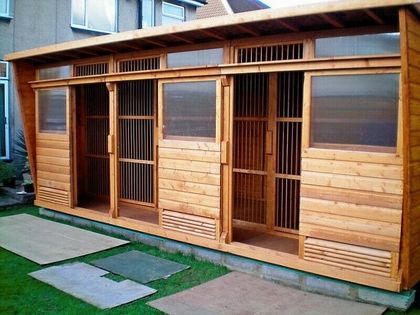
1. Loft Design
Your loft should be:
- Well-ventilated (no damp or drafts)
- Dry and easy to clean
- Spacious enough to avoid overcrowding
Include:
- Multiple nest boxes
- Perches for all birds
- Safe access for cleaning
2. Provide Nesting Areas
Even in a natural system, you should supply:
- Nest bowls
- Straw or nesting material
- Separate nesting spaces to reduce conflict
3. Manage Flock Size
Keep numbers under control by:
- Removing excess eggs
- Rehoming birds
- Separating sexes if necessary
4. Maintain Hygiene
Although the system is “natural,” cleanliness is still essential:
- Regularly clean the loft
- Keep water fresh
- Remove waste buildup
5. Monitor Health
You should still watch for:
- Signs of illness
- Weight loss or lethargy
- Poor feather condition
Early intervention prevents larger problems.
Natural Loft vs Traditional Racing Systems
| Feature | Natural Loft System | Traditional System |
|---|---|---|
| Pairing | Natural | Controlled |
| Breeding | Flexible | Scheduled |
| Training | Minimal | Structured |
| Intervention | Low | High |
| Goal | Health & Balance | Performance |
Is the Natural Loft System Right for You?
This system is ideal if you:
- Prefer a low-maintenance approach
- Value bird welfare and natural behaviour
- Are not focused solely on competitive racing
It may not be suitable if your goal is:
- High-level pigeon racing
- Precise genetic breeding
- Maximum performance optimisation
Tips for Success
- Start with a small, manageable flock
- Observe your birds closely—behaviour tells you everything
- Avoid overcomplicating feeding and care
- Be patient—the system improves over time
Summary
The natural loft system offers a more relaxed and sustainable way to keep pigeons. By working with the birds’ instincts rather than against them, you can develop a flock that is:
- Strong
- Healthy
- Well-adapted to its environment
While it may not suit every goal, it remains one of the most rewarding and traditional approaches to pigeon keeping.