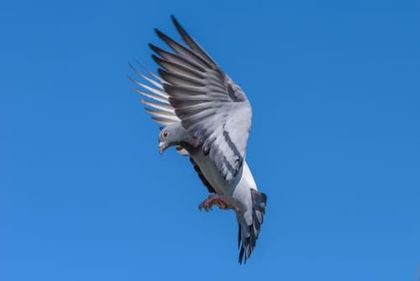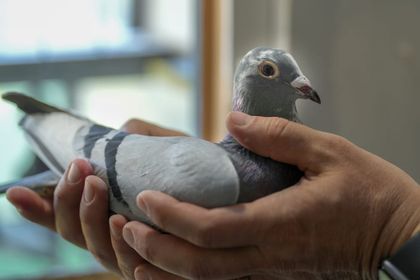
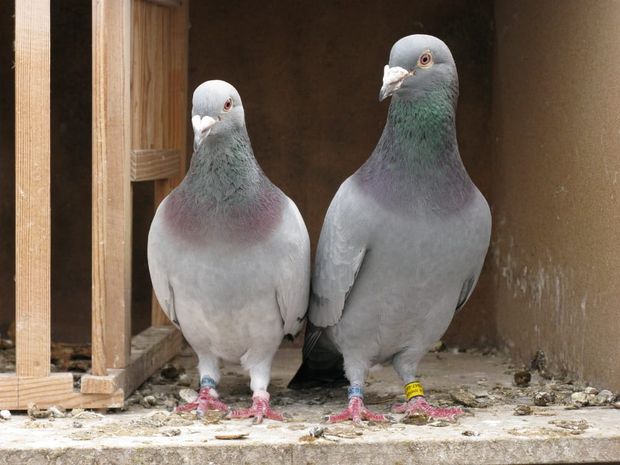
In the world of pigeon racing, physical fitness is only half the battle. The other half is the mental/physchological. While natural racing (allowing birds to live as pairs and raise young) has its place, the widowhood System is the undisputed gold standard for those looking to dominate the result sheets.
The core principle of widowhood is simple: controlled deprivation motivates the pigeons. By separating cocks and hens, you leverage a bird's biological drive to return to its mate, turning an ordinary flight into a high-speed dash for home.
How the Widowhood System Works
The system is based on a strict weekly cycle of separation and reunion. It is most commonly practiced with racing cocks, although "Double Widowhood" (racing both sexes) is becoming more popular.
1. The Separation
Throughout the week, the racing cocks and their hens are kept in completely separate sections of the loft. They should not be able to see each other, and ideally, they should not be able to hear each other. This creates a state of "restful frustration." Without the burden of feeding squabs or "driving" a hen to the nest, the cock can focus entirely on rest, nutrition, and exercise.
2. The Motivation (The "Showing")
On the night of the race marking, the hens are introduced to the cocks. The fancier allows the pair to spend a few minutes together in their nest box. The key is to let them interact without allowing them to mate. This "shows" the cock exactly what is waiting for him at home, sending him into the race crates with a singular, focused objective.
3. The Reward (The Return)
This is the "deal" between you and the pigeon. Upon arrival, when the cock returns from the race, his hen is waiting in his box. This reunion is the reward for his effort. Depending on the difficulty of the race, the pair is allowed to stay together for anywhere from one hour to overnight before the cycle begins again.
Why Widowhood Outperforms the Natural System
- Energy Conservation: A bird sitting on eggs or feeding young loses significant physical condition. A "widower" spends his week in total relaxation, meaning his energy stores are at 100% when he is released.
- Focus: A natural bird might be motivated by its nest, but a widower is motivated by a mate. In terms of biological urgency, the mate is a much stronger "pull," especially for cocks.
- Controllable Form: Because you control the "showing" and the duration of the reward, you can "fine-tune" a bird's motivation. If a bird is becoming stale, you can decrease the time it spends with the hen to sharpen its edge.
Challenges for the Fancier
The Widowhood system requires more discipline from the loft manager than the natural system. It requires:
- Specific Loft Design: You need at least two distinct sections with a way to move hens in and out quickly and quietly.
- Punctuality: Feeding and exercise times must be like clockwork. Widowers thrive on routine; any disruption can cause stress and a drop in form.
- Observation: You must watch the birds closely. If a cock loses interest in his hen, the system fails. You must ensure the bond between the pair remains magnetic - like Tom Cruise and Kelly McGillis in Top Gun, don't let them lose that lovin' feeling!
Summary
The Widowhood system is not about changing the bird; it is about changing the bird's reason for coming home. By managing the emotional state of the loft, you can extract a level of performance that nature alone simply cannot produce.