
Help & rescue
Pigeon With a Twisted Neck: What to Do
A pigeon with a twisted or upside-down neck most often has paramyxovirus (PMV). It looks hopeless, but many birds recover with a few weeks of patient care.
For most people the risk from handling a pigeon is small, and washing your hands keeps it that way. These are the few infections worth knowing about, and when to see a doctor.
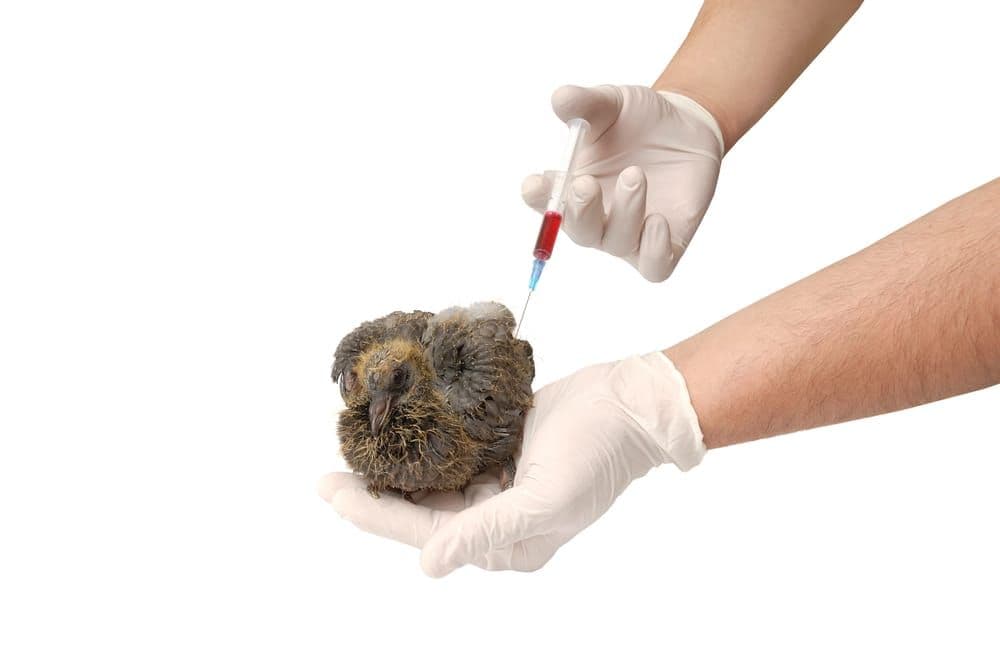
If you have picked up a lost pigeon or keep a loft of them, the chance of catching anything is low. Washing your hands after handling birds, their dishes and their droppings deals with most of the risk. A few conditions are worth knowing about, though, especially if you are older, pregnant, or have a weakened immune system, or if you spend a lot of time in a loft.
Psittacosis is caused by bacteria (Chlamydia psittaci) that many kinds of bird can carry, often without looking ill. People usually catch it by breathing in dust from dried droppings or feathers. Even a short exposure can be enough.
Symptoms tend to start one to four weeks later and feel like flu: fever, headache, aching muscles and a cough. Most cases are mild, but it can cause pneumonia, particularly in older people and anyone whose immune system is weakened. It is treated with antibiotics, so the important thing is to tell your doctor you have been around birds.
In pigeons, an infection often starts with a bird rubbing one watery eye against its shoulder. If you keep pigeons and see that, ask a vet to check the birds.
Pigeons can carry salmonella, which they shed in their droppings. The strain usual in pigeons rarely makes people seriously ill, but it can upset the stomach and is more serious for young children, older people and anyone with a weakened immune system. It spreads from hand to mouth, so wash your hands before eating, drinking or smoking, and keep a found bird and its dishes out of the kitchen.
This is an allergic reaction, not an infection. A small number of people who regularly breathe in the fine dust from pigeon feathers and droppings become sensitised to it. Typically, a flu-like illness with a dry cough, breathlessness, a tight chest and a temperature comes on four to six hours after cleaning the loft or handling the birds.
Caught early, it usually settles once you stop breathing in the dust. Repeated exposure can scar the lungs permanently, so do not ignore symptoms that keep coming back after time with your birds. Good loft ventilation and a properly fitted respirator mask while cleaning reduce the amount of dust you breathe in.
Pigeons are rarely affected by bird flu, but they can carry the virus on their feet and feathers, which is why racing is restricted during outbreaks. If you keep pigeons, follow the current GOV.UK rules for racing pigeon keepers. If you find several dead wild birds, do not touch them: report them online or on 03459 33 55 77.
If you have found a pigeon, our guide on what to do if you find a lost pigeon covers how to care for it safely.
Help & rescue
A pigeon with a twisted or upside-down neck most often has paramyxovirus (PMV). It looks hopeless, but many birds recover with a few weeks of patient care.
Health
Whether you have just found a stray bird in the garden or you are setting up your very first loft, knowing what to put in the feeder is the first step to becoming a successful…
Health
Keeping a loft of healthy pigeons is the goal of every fancier, whether you are just starting out with a few homing pigeons or managing an elite racing team. Especially in the…
One email when something new is published. Free, and you can stop at any time.