Quick Takeaway: 4-Week Young Bird Training Summary
Young bird road training transitions homing pigeons from loft flying to competitive race releases over 4 weeks: Week 1: Basket conditioning and crate drinking in the loft. Week 2: Short releases (1–5 miles) in the direction of the race line. Week 3: Medium releases (10–20 miles) incorporating group split-tosses. Week 4: Distance releases (30–40 miles) with single-bird drops to build independent navigation skills.
Transitioning young homing pigeons from loft flying to successful road releases is one of the most critical stages in pigeon racing. Rushing this process leads to heavy losses, flyaways, and demoralized birds. A structured, incremental road training schedule ensures young birds gain navigational confidence, learn crate discipline, and return home quickly on race day.
This comprehensive guide details a proven 4-week young bird training schedule, covering crate conditioning, incremental release distances, single-tossing, and safety protocols.
Prerequisites: Before Starting Road Training
Do not haul your young birds down the road until they satisfy these basic requirements:
- Routined Loft Flying: Birds should actively fly around the loft for at least 45–60 minutes twice daily.
- Trapping Response: Birds must respond instantly to the feeding whistle or call and trap without delay.
- Health Check: Verify birds are free from respiratory infections, Canker (Trichomoniasis), or Coccidiosis. Road stress rapidly turns mild infections into severe disease outbreaks.
- Age Requirement: Young birds are typically ready for basket conditioning around 12–16 weeks of age.
Phase 1 (Days 1–5): Basket Conditioning & Crate Drinking
The single biggest mistake fanciers make is placing birds into a crate for the first time and taking them straight down the road. Fear of the basket causes severe stress and disorientation.
Basket Training Steps:
- Day 1–2 (Dark Crate Intro): Place young birds inside training crates on fresh wood shavings or straw inside the loft for 1–2 hours. Do not transport them. Let them adjust to the confined space.
- Day 3–4 (Crate Drinking): Attach clip-on water troughs to the outside of the training crates. Leave birds in the basket for 3 hours and ensure every bird learns to drink water through the wire mesh. Pigeons that do not drink in transport crates will dehydrate on race trucks later in the season.
- Day 5 (Simulated Transport): Load birds into your vehicle, run the engine, and drive around for 10–15 minutes before returning to the loft to release them directly into the loft corridor.
Phase 2 (Days 6–12): Short Distance Releases (1 to 5 Miles)
Initial road drops should focus on establishing line-of-flight direction and building home orientation without causing physical fatigue.
| Day | Distance | Release Method | Goal |
|---|---|---|---|
| Day 6 | 0.5 Miles | Full Batch Release | Orientation close to home landmarks. |
| Day 8 | 1 Mile | Full Batch Release | Confidence from visual range. |
| Day 10 | 3 Miles | Full Batch Release | Establishing line-of-flight trajectory. |
| Day 12 | 5 Miles | Two Equal Groups | Teaching smaller groups to break away. |
Pro Tip: Always drop birds along the line of flight your club or combine uses for race day. If your race line runs South-to-North, train due South of your loft.
Phase 3 (Days 13–20): Intermediate Distance & Group Splits (10 to 20 Miles)
Once birds are returning home from 5 miles in good time (beating you back to the loft or arriving shortly after), double the distance.
Key Training Milestones:
- 10-Mile Tosses (Days 14 & 16): Release in groups of 5–10 birds. Splitting the batch forces individual birds to take leadership roles rather than blindly following flock leaders.
- 15 to 20-Mile Tosses (Days 18 & 20): Introduce single-bird or duo releases. Drop birds 2–3 minutes apart. Single tossing is the ultimate test of individual navigation confidence.
Phase 4 (Days 21–28): Race-Ready Distance (30+ Miles)
The final phase prepares young birds for the physical demands of race day and ensures they are conditioned to handle overnight basket stays if necessary.
- 30-Mile Stage Tosses: Repeat 30-mile releases 3–4 times during this final week. Consistency at 30 miles builds optimal muscle tone without overworking young joints.
- Combine Drop Integration: If possible, join a trainer truck or combine training toss to expose your birds to large mass releases (1,000+ birds). This teaches your birds how to break away from massive drag flocks and head straight toward home.
Critical Safety & Weather Rules for Young Bird Training
Bad releases break a young bird's confidence permanently. Adhere strictly to these weather guidelines:
- Avoid Fog & Low Cloud Cover: Pigeons rely heavily on visual cues and sun navigation (magnetic/sun compass). Never release birds when visibility is under 3 miles.
- Watch for Power Lines & High Obstacles: Choose clear release spots away from power lines, cell towers, and heavy tree canopies where birds might strike wire during launch.
- Avoid Hawk Hotspots: Release birds in open terrain away from heavily wooded areas where raptors hunt.
- Temperature Windows: Avoid tossing in temperatures above 85°F (29°C). High humidity combined with road stress leads to rapid dehydration and loss.
Frequently Asked Questions
When is the best time of day to road toss young birds?
Early morning, roughly 30 to 60 minutes after sunrise, is optimal. The air is cool, winds are typically calm, and birds have the entire day to return home if they get temporarily off course.
How long should I wait between arriving at the release site and letting birds go?
Allow the baskets to settle for 15 to 20 minutes after parking your vehicle. This lets the birds settle down, drink if troughs are available, and adjust to external lighting and scents before launch.
What feed should I use during road training weeks?
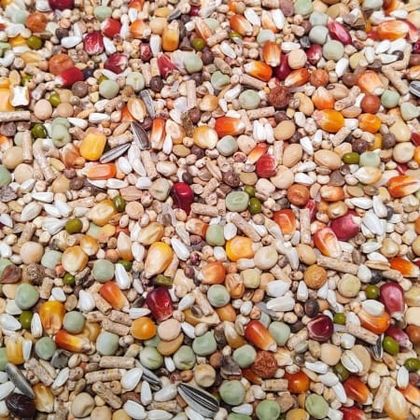
Increase fat and protein ratios slightly as distance increases. Add small seeds (hemp, safflower, and sunflower chips) on training days to encourage quick trapping upon arrival home.