
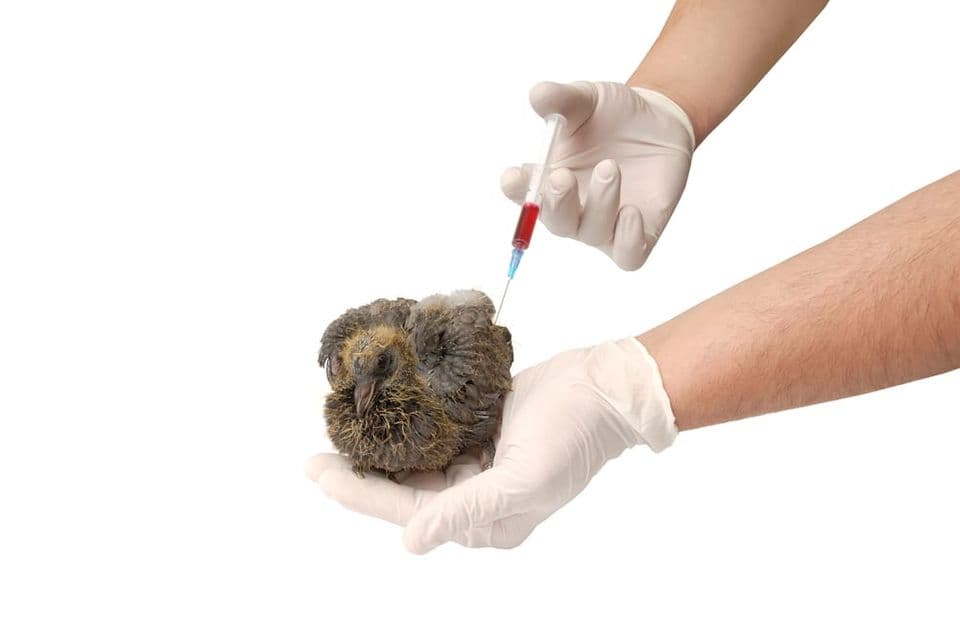
Health
Can You Catch Diseases From Pigeons?
For most people the risk from handling a pigeon is small, and washing your hands keeps it that way. These are the few infections worth knowing about, and when to see a doctor.
A pigeon with a twisted or upside-down neck most often has paramyxovirus (PMV). It looks hopeless, but many birds recover with a few weeks of patient care.
A pigeon whose head is twisted round, held upside down or tipped back to stare at the sky is a distressing sight. The most common cause is pigeon paramyxovirus, usually called PMV. There is no medicine that kills the virus, but that does not mean the bird is lost: most adult pigeons recover if someone keeps them fed, watered and quiet while the nerves heal.
PMV attacks the nerves and the kidneys. A bird may show one set of signs or both.
Other problems can look similar, including paratyphoid (salmonella), adenovirus, poisoning and a knock to the head, for example after flying into a window. Only a vet can tell them apart, so if you can get the bird seen, do.
Expect weeks rather than days. Many birds take two to three months to recover fully, and the signs often get worse when the bird is frightened or trying to eat, then settle again. Most adult birds come through and go on to live, fly and breed normally. Some keep a slight head tilt. Vets writing about PMV note that nervous signs still severe after about three months are unlikely to go away completely.
A recovered bird is ready to go home or be released only once it is flying well, eating and drinking on its own, and has been free of signs for some time. A pigeon rescue can advise. If the bird has a ring on its leg, it is someone's racing or show pigeon: read the ring and contact the owner.
Pigeon paramyxovirus is a notifiable disease in Great Britain. If you suspect it in your own birds you must report it straight away; failing to report it is an offence.
Anyone running a pigeon race or show must make sure every bird taking part has been vaccinated, and owners must keep a record of the races and shows each bird enters. During an outbreak, stop flying and racing, put off pairing, stay away from shows and other lofts, and clean daily with a disinfectant that kills viruses. Talk to your vet about vaccinating, including young birds as early as the vaccine allows.
If you have found a feral or stray pigeon and do not keep birds yourself, a pigeon rescue or vet is the place to start.
Health
For most people the risk from handling a pigeon is small, and washing your hands keeps it that way. These are the few infections worth knowing about, and when to see a doctor.
Help & rescue
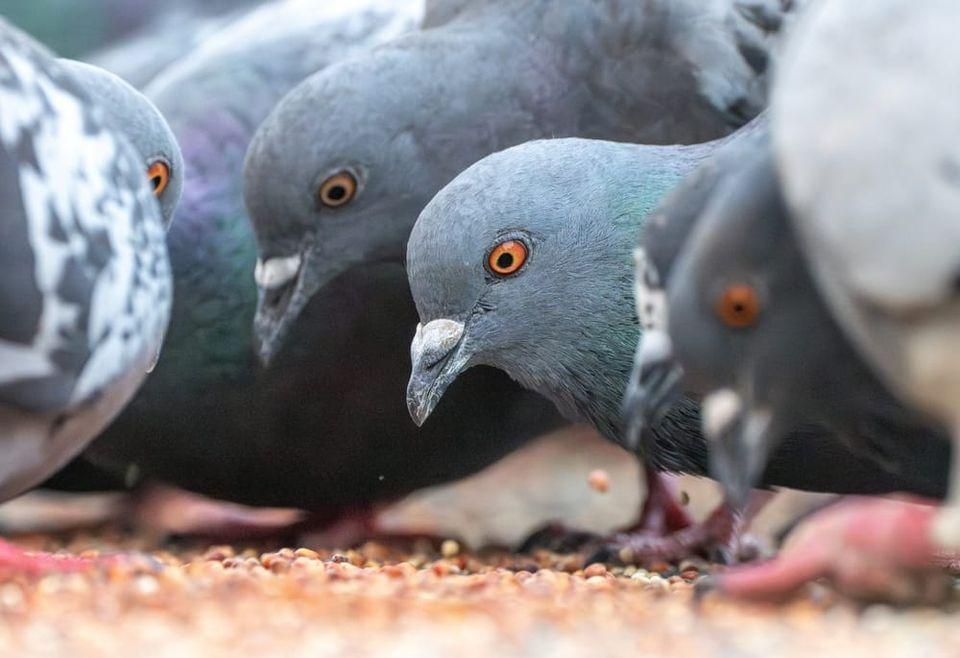
Finding a pigeon on the ground or in your garden can be a worrying thing, especially if the bird seems tired or confused. In many cases, the pigeon you have found is not wild at all, but a racing or domesticated pigeon that has become lost on its way home.
Help & rescue
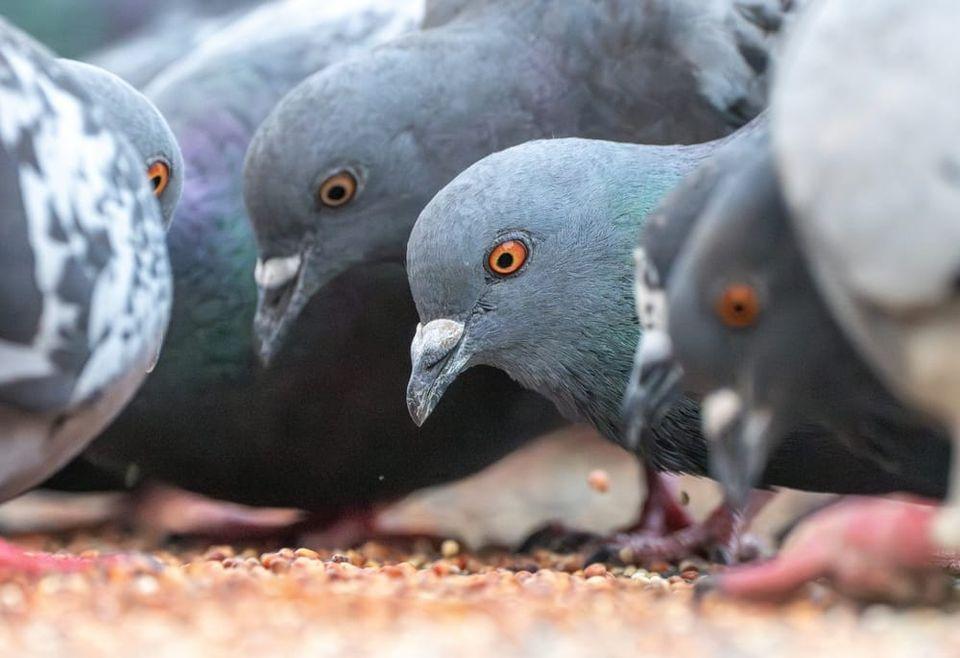
If you’ve found a lost pigeon, the two most important things you can provide are water and food. Most lost birds are dehydrated, hungry, and exhausted, even if they don’t show it immediately.
One email when something new is published. Free, and you can stop at any time.