
Racing
Young Bird Racing Pigeon Road Training Schedule
Transitioning young homing pigeons from loft flying to successful road releases is one of the most critical stages in pigeon racing. Rushing this process leads to heavy losses,…
A bird home from a hard race needs water and rest before food, then a small, light meal. What to give on race day and the days after, and how to stop birds stiffening up.
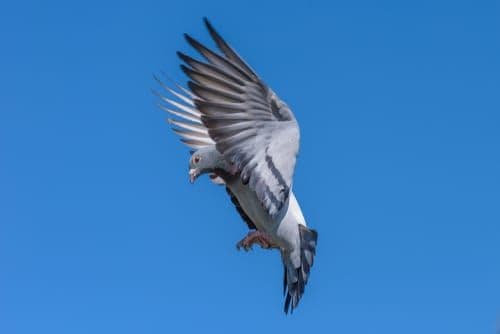
The instinct when a bird drops onto the loft after a hard race is to fill the feeder. Hold back. A pigeon that has flown for hours needs water and rest first, and its first meal should be small. Getting this right brings birds back into condition faster for the next race.
During a long flight, the body sends blood to where it is needed most: the flight muscles, heart, lungs and brain, and the skin of the legs, which helps the bird lose heat. The gut gets very little, and its blood supply stays low for some time after landing. A tired bird that eats all it wants is filling a gut that cannot yet digest well, and pigeons will gorge if you let them. The result is slower recovery, not faster.
When | What to do |
|---|---|
On arrival | Fresh water, with electrolytes after a long or hot race. A little glucose or honey in the water helps refill energy. |
First hour or so | Let the birds rest somewhere quiet. |
First meal | A small, light feed of small seeds, which digest faster than large grains. |
Later in the day | A fuller feed, but still moderate. |
Later in the day | Let every bird out for a few minutes of free exercise, even the tired ones (see below). |
After a long race the bird has lost salts as well as water, so electrolytes are better than plain water alone. Use sugars for a day or two at most: yeasts and bacteria feed on them too, and too much sugar blunts appetite and can upset the gut and the moult.
Hard flying causes small tears in the breast muscle, and protein repairs them. Give a mix with more protein for a day or two after the race, more after a long race than a short one, and start any amino acid supplement on the day the birds come home rather than waiting. Then move back to your normal racing mix over the following days. Our guide to adjusting the feed mix by race distance covers the rest of the week.
One to three days after a hard race, especially into a headwind, some birds turn stiff and wobbly, struggle to reach a low perch, and have a breast that feels hard and swollen. Fanciers sometimes mistake that hard breast for top condition. Vets call it tying up.
Fighting a headwind or racing hard calls on the muscle fibres used for bursts of effort, which build up lactic acid that damages the muscle. The usual trigger is what happens next: tired birds shut in for several days to rest.
Racing
Transitioning young homing pigeons from loft flying to successful road releases is one of the most critical stages in pigeon racing. Rushing this process leads to heavy losses,…
Racing pigeons
Pigeon racing has evolved from a humble traditional hobby into an international multi-million-dollar sport. While a beginner can start with a modest budget, elite bloodlines now…
Racing
In the pigeon sport, genetics are the foundation of success. While pristine loft hygiene, rigorous training schedules, and cutting-edge nutrition determine whether a bird can…
One email when something new is published. Free, and you can stop at any time.