
Breeding
Breeding
Pigeon breeding is one of the most rewarding aspects of keeping homing pigeons—whether you’re aiming to improve racing performance, preserve bloodlines, or simply raise healthy…
An egg that fails is either infertile or the chick died at a particular stage, and the timing usually points to the cause. How to work out which, and what to change.
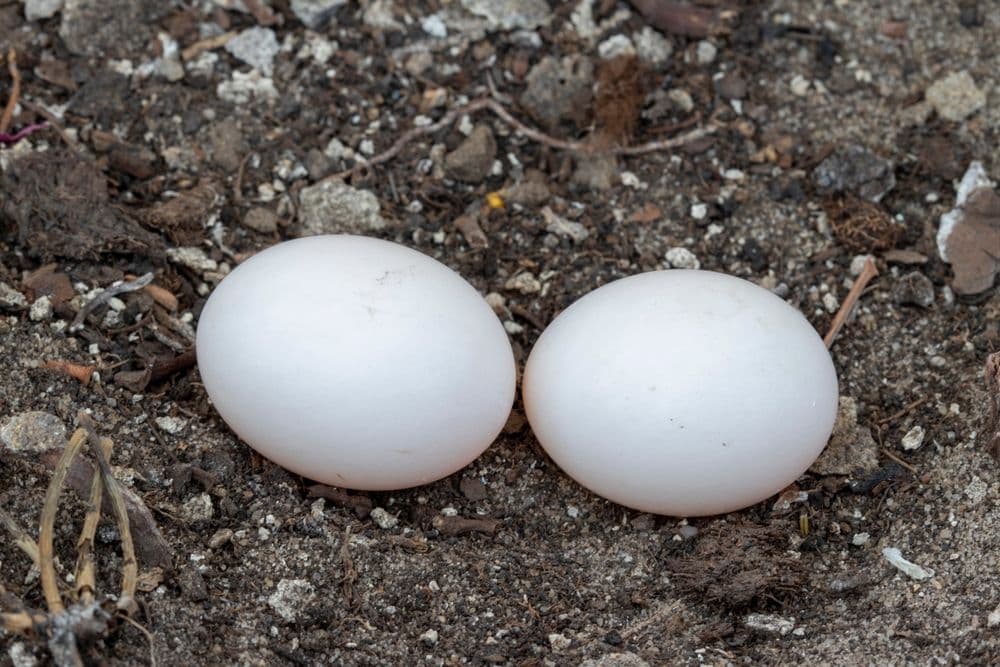
A few eggs fail in every loft. If more than about one egg in twenty fails to hatch, though, something in the loft needs changing. The good news is that the stage at which an egg fails usually tells you where to look.
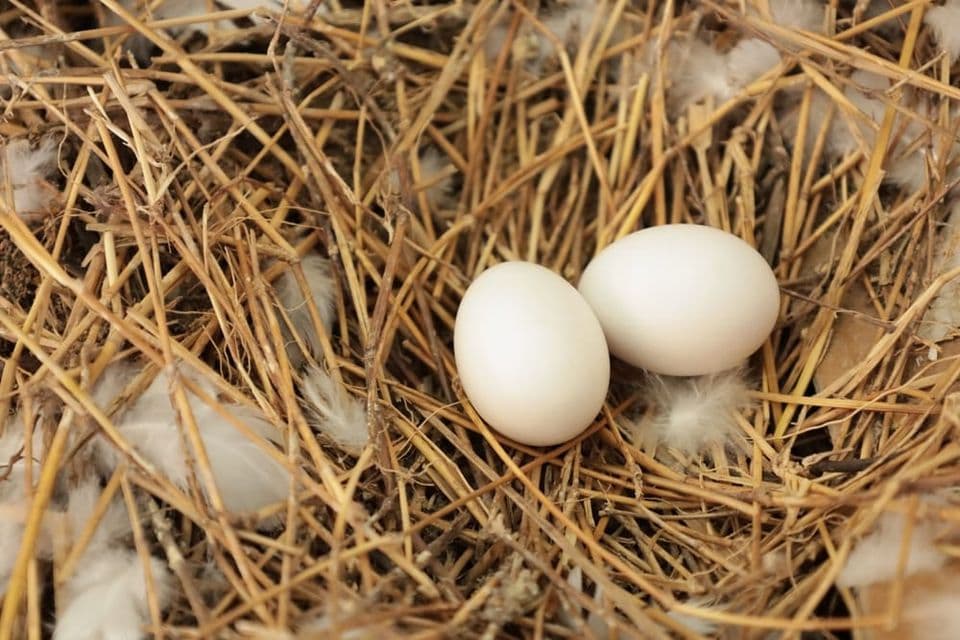
The hen usually lays her first egg about ten days after pairing and the second about two days later. The pair sit properly once the second egg arrives, and the 18 days of incubation are counted from then. The first chick usually hatches on about day 18 and the second the next day.
Hold an egg up to a bright torch in a dark room (candling). From about day 5 you should see red blood vessels spreading from a dark spot. After about day 10 a healthy egg looks dark apart from the air space at the blunt end. An egg that stays clear has not developed. An egg that looked alive and then shows a blood ring, cloudy contents or no change has died.
What you find | Likely causes | What to change |
|---|---|---|
Clear egg, no development | Infertile: an old cock, a hen with an oviduct infection, fat birds, shortage of vitamins A, E or selenium, mould in the feed, or medicines and vaccines given too close to pairing. An egg chilled or shaken before sitting began looks the same. | Bring birds into condition, not fat. Finish vaccinations 6–8 weeks before pairing. Avoid unnecessary medicines. Use fresh, sound grain and give greens. |
Died in the first few days | Chilling, because the parents left the nest (mites, disturbance, crowding, a poor nest), or eggs shaken when moved. Inherited faults, more likely in closely related pairs. | Keep the breeding section calm and uncrowded, treat for mites before pairing, handle eggs gently, and avoid pairing close relatives. |
Died in the middle (about days 4–14) | The hen's diet: a yolk short of nutrients. Sometimes infection. | Improve the breeding mix (see below). If it keeps happening, ask a vet. |
Died in the last days, or the chick broke the shell but could not get out | A nest that is too hot and dry, so the membrane hardens and the chick becomes exhausted. | Raise humidity near hatching: give the parents a bath and mist lightly in dry weather. |
Dark, black or smelly egg | Bacterial infection, often getting in through a dirty or damp nest or a thin shell, and sometimes from the hen. | Clean nests, fresh nest material every round, and ask a vet to check the birds. |
During sitting, aim for a nest of about 20–25°C with humidity around 55–60%, rising to around 70–75% in the last two or three days. A cheap digital hygrometer from a garden centre will tell you where you stand. Giving the sitting birds a bath lets them carry moisture back to the eggs.
Use dry, mould-free nest material such as short hay or dried grass, not straw, which is slippery and often mouldy, and use fresh material for each round. Lice and mites can drive parents off the nest, so deal with them before pairing.
A mix of two or three grains plus grit is not enough for a breeding hen. Aim for a mix with about 18% protein, raised with peas, beans and tares, and give dark greens for vitamin A. Hens need calcium from shell grit, and vitamin D to absorb it, especially in the dull months before spring. Rough or thin shells, or faint see-through bands on the shell, are an early sign she is short of calcium.
Breeding
Pigeon breeding is one of the most rewarding aspects of keeping homing pigeons—whether you’re aiming to improve racing performance, preserve bloodlines, or simply raise healthy…
One email when something new is published. Free, and you can stop at any time.